As I'm writing this, I'm currently on a train from Perpignan to Paris. There are five hours until Paris, and that's a long time to be left alone with your own thoughts.
Originally, this article was supposed to be as straightforward as possible. I was going to tell you about my favorite albums, EPs, and singles released so far in 2026, hit publish, and move on. Instead, somewhere between Perpignan and Nîmes Pont Du Gard, I found myself staring out the window, watching the French countryside pass me by and wondering why one farm had ducks and the next one didn't.
Yes, I genuinely spent part of this train ride thinking about ducks. But mostly, I was thinking about this year. Where did it go? How did it disappear so quickly? January usually feels like it's going to last forever, but this year it disappeared before I'd even caught my breath. One minute I was planning festival season; the next, it was May, and I was standing in photo pits, interviewing artists I'd admired for years, and trying to keep up with what felt like an endless stream of Friday releases.
It's easily been the biggest year of my career so far, but it's also been the year that changed how I listen to music. I've noticed that I care about different things when I sit down with a new record now. I'm less interested in whether an album will top everyone's end-of-year lists and more interested in whether I still find myself reaching for it weeks later. Did it surprise me? Did it challenge me? Did it make me feel something I wasn't expecting? Those questions have become far more important than trying to predict the general consensus.
That shift has also made me think differently about music criticism itself: what makes a great review, why disagreement seems harder to accept than ever, and why I think listening outside your comfort zone makes you a better listener, not just a better critic.
Somewhere along the way, this article stopped being just a list of my favorite releases and became a reflection on 2026 so far. You might agree with some of what I've written, and you might think I'm completely wrong. Either way, these thoughts have become just as much a part of my year as the music itself.
But yes, there are lists. And no, they aren't in any order.
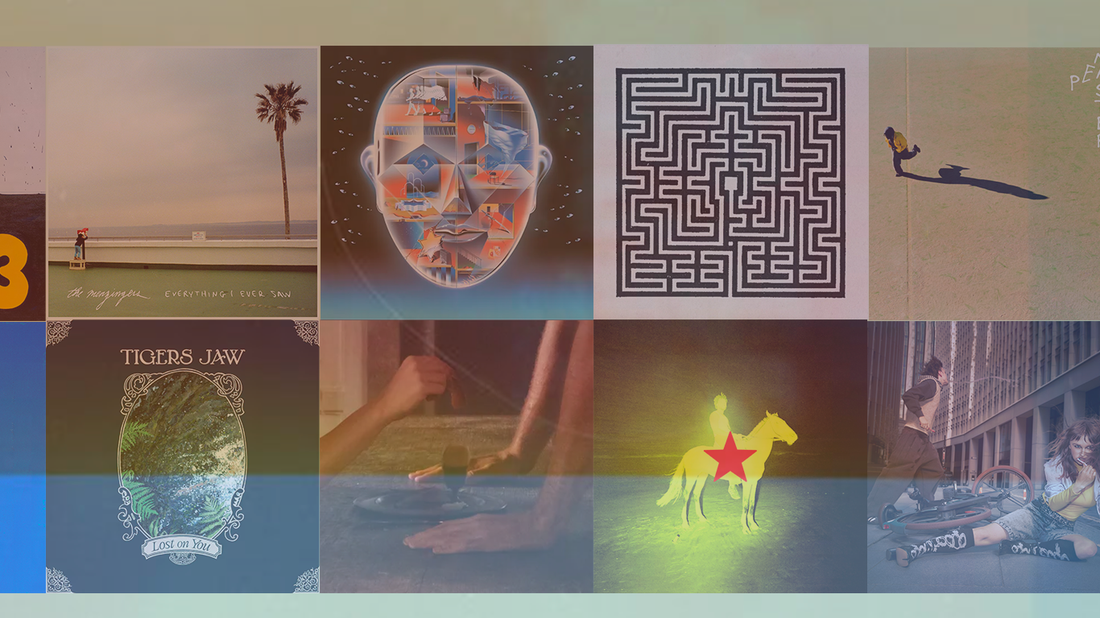
My Favorite Albums of 2026 (So Far)
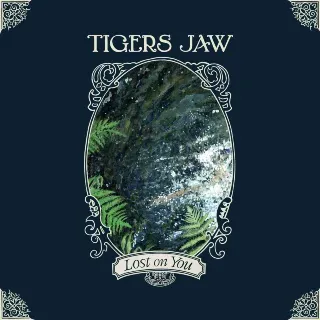
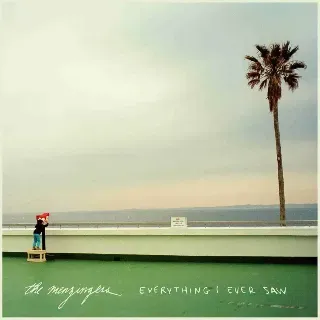
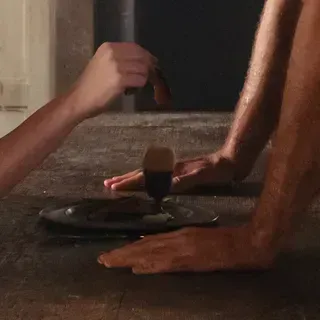
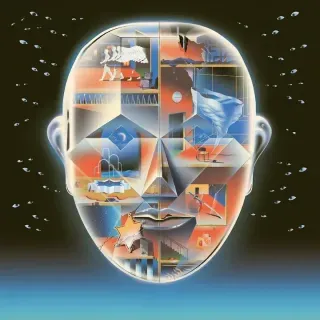
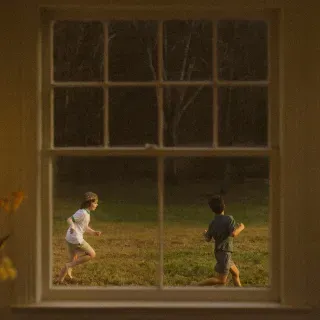
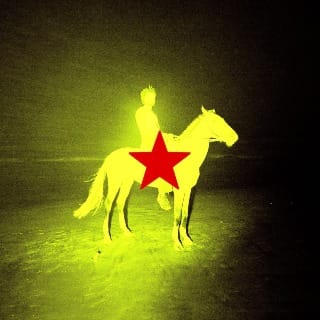
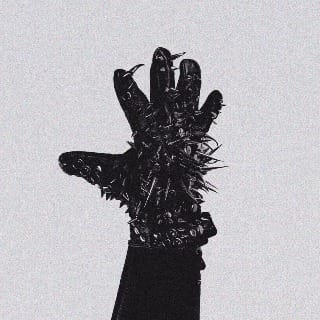
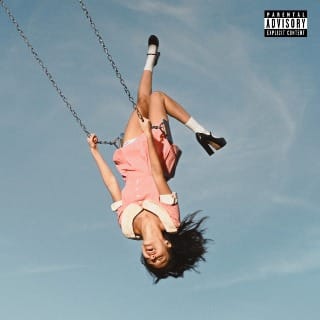
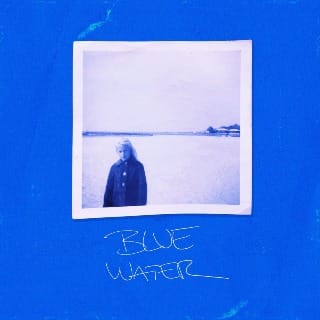
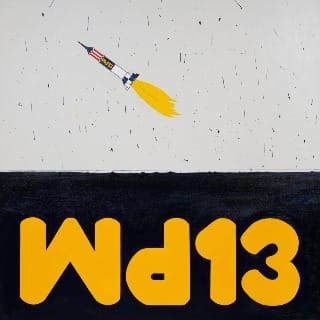
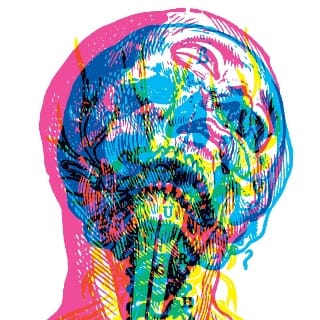

Before anybody comes at me for not giving each album a reason why it's on here, I think you should listen to each one and come back, and we'll talk. Personally, this list isn't in any order, but just albums that made their way onto my repeat.
Hot Take #1: You're missing out if you only listen to one genre
Looking back at my favorite albums of the year, something immediately stood out to me. None of them sound remotely alike, and that's probably why I love them. I've gone from punk to folk, experimental hip-hop, indie rock, post-punk, psychedelic pop, and everything in between. If someone had shown me this list, or even my list from 2025, five years ago, I probably would've been surprised by how all over the place it is. Today, I think that's exactly how it should look.
That's why I genuinely believe you're doing yourself a disservice if you only listen to one genre.
There's nothing wrong with having a favorite genre. Mine will probably always lean towards punk, emo, and indie rock. But deciding an entire genre isn't for you before you've actually explored it is different. I've heard “I don't listen to pop” and “I hate country” more times than I can count, and I've never really understood it. You're writing off thousands of artists who don't even sound alike because somebody put them under the same heading.
Music doesn't exist in those neat little boxes anyway. Punk bands use synths. Pop artists pull from alternative music. Hip-hop producers sample soul, jazz, and rock records. Folk artists embrace electronics. Genre can be useful for describing music, but some of the most exciting records I've heard have been the ones that made those descriptions difficult.
I've noticed the difference in my own listening. A few years ago, I probably would've spent most of my time with records I already knew I was likely to enjoy. This job doesn't really allow that anymore. One week I'm reviewing punk, the next I'm listening to Noah Kahan, Genesis Owusu, Mandy, Indiana or Charli XCX.
Not everything becomes a favorite. It shouldn't.
But spending that much time outside what I would've once considered “my music” has changed what I listen for. I'm more likely to notice production choices, songwriting ideas or influences I would've missed before. More importantly, I've become better at separating “I don't like this” from “this doesn't work.” Those are two completely different criticisms, and I don't think I understood that distinction nearly as well a few years ago.
That's probably been the biggest change for me as a critic. Instead of immediately asking whether something is my kind of music, I'm much more interested in what the artist is actually trying to achieve — and whether they pull it off.
There's something freeing about not having to defend your taste either. Some of my favorite records this year probably won't appear anywhere near someone else's list. Good. Music isn't a competition, and having eclectic taste isn't inherently more impressive than having narrow taste.
But curiosity matters.
Becoming a better music journalist hasn't just meant writing more reviews. It's meant becoming a better listener. And sometimes that means putting on the record you're convinced isn't for you and giving it a chance to prove you wrong.
Hot Take #1: You're missing out if you only listen to one genre
Looking back at my favorite albums of the year, something immediately stood out to me. None of them sound remotely alike, and that's probably why I love them. I've gone from punk to folk, experimental hip-hop, indie rock, post-punk, psychedelic pop, and everything in between. If someone had shown me this list or my list from 2025 five years ago, I probably would've been surprised by how all over the place it is. Today, I think that's exactly how it should look.
That's why I genuinely believe you're doing yourself a disservice if you only listen to one genre. Don't get me wrong, there's nothing wrong with having a favorite genre. We all do. Mine will probably always lean towards punk, emo, and indie rock. The problem starts when you convince yourself that's all worth listening to. The number of times I've heard someone say, "I don't listen to pop," or "I hate country," without actually giving those genres a chance has always fascinated me. You're closing the door before you've even stepped inside and looked around.
But music has never existed in neat little boxes anyway. Artists constantly borrow from one another, and we know that from history. Punk bands experiment with synths. Pop artists take inspiration from alternative music. Hip-hop producers sample soul, jazz, and rock records. Folk artists embrace electronics. Some of the most exciting music being released today exists because artists stopped caring about genre boundaries and just released what they wanted to.
I think that's also one of the biggest reasons I've changed as a music journalist. A few years ago I probably would've spent most of my time listening to the music I already knew I'd enjoy. This job doesn't really allow that anymore, and honestly, I'm grateful for it. One week I'm reviewing punk, the next I'm listening to Noah Kahan, followed by Genesis Owusu, Mandy, Indiana, or Charli XCX. That being said, not every album or EP becomes a favorite, and that's okay. They don't have to. Sometimes the value comes from understanding what an artist is trying to achieve, even if it isn't necessarily for you.
I also think listening to many different genres and opening up has made me a better critic. That and stopped caring about being beloved. The more genres I explored, the more I noticed songwriting techniques and influences I would've completely missed before. You start hearing connections between artists that don't seem obvious on paper. You stop asking, "Is this my kind of music?" and instead ask, "What is this album trying to say?" and I get it now.
There's also something incredibly freeing about not feeling like you have to defend your taste anymore. Some of my favorite records this year will probably never appear on someone else's list. That's completely fine. Music isn't a competition, and your taste shouldn't become your identity.
That's one of the biggest lessons this first half of 2026 has taught me. That becoming a better music journalist doesn't start with writing more reviews. It starts with becoming a better listener and opening your perspective; shit can only get better. The moment you stop chasing genres and people’s approval and start chasing great music is the moment your entire perspective changes.
My Favorite EPs of 2026 (So Far)
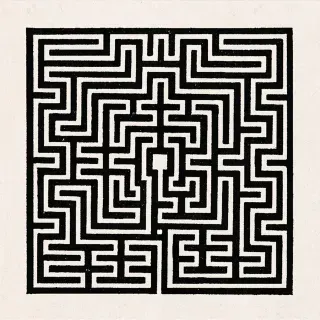
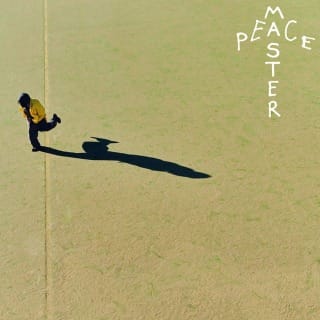
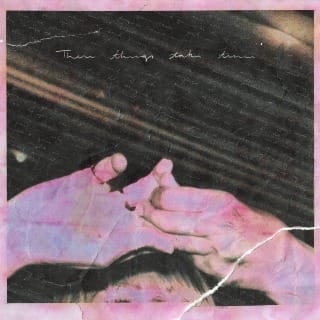
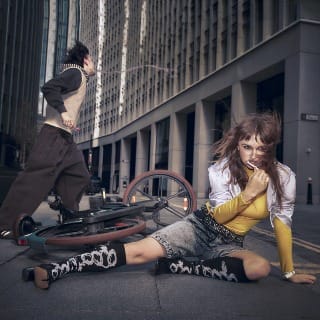
There might not be many, but these are the ones I really enjoyed.
Hot Take #2: Music criticism has become too safe
At the same time, I understand why critics become cautious. The music industry is small, and right now it feels smaller than ever. PR agencies know who writes about their artists. Labels know what gets published. Interviews, festival accreditation, advance streams, and other opportunities can depend on relationships you've spent years building. When you're trying to make a career out of this, the possibility of damaging one of those relationships is difficult to ignore.
I've felt it myself. Sometimes I still do. But honesty matters. That doesn't mean critics should be cruel for entertainment, attack artists personally, or deliberately write something inflammatory because it'll perform well online. Criticism and cruelty aren't the same thing.
If I dislike a record, I should be able to explain why. If I'm afraid to do that because somebody might take access away from me, then I have to ask what I'm actually offering the person reading my review.
Because criticism can't just become promotion with a score attached. And artists deserve better than that too. Art should spark discussion. Sometimes it should divide opinion. Two critics can hear the same album and come away with completely different interpretations, without either acting in bad faith.
That's also why I don't think music criticism is dying. I think it's becoming cautious. Maybe some of that caution is inevitable in an industry increasingly shaped by algorithms, fan culture, access, and instant reactions. But I don't want criticism to reach the point where keeping everyone happy becomes more important than saying what we actually heard.
I'd rather you disagree with me. Listening to this much music every week has also made me think about something else. Not every album can be a masterpiece, and somehow that's become a controversial thing to say. Music criticism feels safer than ever, and I don't mean that as a compliment.
Along the way, criticism became confused with promotion. A 7.5/10 suddenly feels like a bad review, even though it's still a good score. Anything lower than that and fans&co act as if you've personally attacked the artist instead of simply responding to their work. We've reached a point where some readers don't seem to want criticism at all. They want validation of their taste and how cool it is. They want someone to confirm that the album they already love is brilliant. And why is that??
Anthony Fantano is probably the easiest example of this. Do I agree with all of his reviews? NOPE. There are albums he's loved that I've never understood, and there are records he's completely dismissed that I genuinely adore. I'm sure he'd disagree with plenty of my favorite albums this year too. That's not the point, though. It would be incredibly boring if every critic reached the exact same conclusion every single time. If we all gave the same score and praised the same albums, there wouldn't really be any point in reading more than one review.
But what fascinates me isn't his opinions, but It's the reaction to them. Every time Fantano gives a popular album a low score, social media explodes. Fans accuse him of rage-baiting. Artists sometimes respond by tweeting or by name-dropping him in a song. Entire YouTube videos, Reddit threads, and TikToks are dedicated to explaining why he's wrong. Before long, the discussion isn't about the album anymore. It's about whether he should have been allowed to dislike it in the first place.
That, to me, completely misses the point of criticism. You're not supposed to agree with every review you read. I'd argue you probably shouldn't, because sometimes you’ll disagree again and that is OK. Some of the most interesting reviews I've ever read are ones I've disagreed with. Not because I thought I was a better reviewer, but because I wanted to be unique. These reviews pointed out details I'd missed, and they challenged my interpretation of an album. They reminded me that music is experienced in completely different ways by different people.
And isn't that what criticism is supposed to do? Yet, the way we've started treating reviews like scorecards rather than the possibility of having a healthy conversation with peers. I’ve noticed many people scroll straight to the rating before reading one paragraph. If the number doesn't match their own opinion, they dismiss the review entirely or find the poor journalist online and harass them. And that’s simply not alright. You’re allowed to disagree with the review, but once you take it to the personal level, it’s all over.
That's a shame because criticism has never been about proving someone right or wrong. It's about interpretation. It's about explaining why something worked for you or why it didn't. Two people can listen to the exact same album and walk away with completely different experiences. Neither one is objectively correct.
At the same time, I also understand why many critics have become more cautious. The music industry is small; it’s suffering; some have said it’s dying, but I’m not convinced yet. PR agencies remember who writes about their artists. Labels remember who gave one of their biggest releases a mediocre score. When interviews, festival accreditation, advance streams and other opportunities often rely on maintaining good relationships, it's easy to understand why some writers choose the safer option. Nobody wants to burn bridges, especially when you're trying to build a career. I’ve been there, and sometimes I still feel like I’m there, if that makes any sense.
But that's exactly why honesty matters to an extent. If we're too afraid to publish an opinion because we're worried about losing access, then what exactly are we offering readers? If every review becomes another carefully worded recommendation designed not to upset anyone, criticism slowly stops being criticism altogether. It becomes marketing. And I’m not saying we should write horrible reviews and go after the artist, but I am trying to say we should maybe stop being afraid of having stuff taken from us.
Artists deserve better than that too, honestly. Art should spark discussion, as it always does. It should divide opinion sometimes. It should make people argue, disagree, and look at something from a different perspective. If every review we write is overwhelmingly positive and every reviewer is in agreement that an absolute trash album is great, because everyone's afraid of saying otherwise, then we've stopped treating music as art and started treating it as a product, and I’m unsure I want to contribute to that. Yet, I don't think music criticism is dying. I just think it's becoming increasingly cautious. Maybe that's the natural evolution of music journalism; it has become inevitable in a world driven by algorithms, fan culture, and instant reactions. But I hope we never reach the point where critics are more concerned about keeping everyone happy than saying what they actually think.
My Favorite Singles of 2026 (So Far)
I know, I should be as invested in this list as I was with the previous two. But I'm not; I think it's a fun one to have because I'm pretty sure I'll look at this in a few months and say, "oh yeah, did they release that album?" - I'm kidding... I pre-save.
SINGLES
• Kennyhoopla - NEW AMERICA//
• Noah Kahan - Doors
• Bleachers - we should talk
• Movements - Dissolve Me
• almost monday - skinny dip
• Weezer ft. Wednesday - We Might As Well Be Strangers
• Michigander - Freaking Out
Final thoughts
Looking back at everything I've written here, I don't think this article ended up being about my favorite albums, EPs, or singles at all. Somewhere along the way, it became about how the past six months have changed the way I listen to music and think about criticism. This year has given me moments I'll never forget, both for the right reasons and the wrong ones. Somewhere between festival season, deadlines, interviews, and life simply happening, I think I forgot to stop and appreciate just how lucky I am to spend so much of my time discovering new music.
And then there were the ducks. Every now and then, another little farm would appear outside the train window, and for reasons I still can't explain, I'd stop whatever I was doing and try to catch a glimpse of them. They became a weird little distraction between reflecting on the year, writing this word salad, and wondering whether I'd completely lost the plot somewhere between Perpignan and Paris.
If you've made it this far, I hope at least one album, EP, or single on this list ends up becoming one of your favorites too. And if you completely disagree with everything I've written... good. That's kind of the point. Music would be incredibly boring if we all listened to the same records, loved the same artists, and gave every album the same score.
Anyway, by the time you're reading this, I've hopefully made it to Paris.